


Why Zinc Matters More Than You Might Think
When people think about nutrients linked to women’s health and menopause, zinc probably isn’t the first thing that comes to mind.
But it should be getting far more attention than it does.
Zinc plays a role in so many of the functions that can feel “off” during perimenopause and menopause, including immunity, skin health, hair health, mood, hormone balance, sleep, cognition, and even wound healing.
The challenge is that many women may already be running low without realising it.
Stress, poor sleep, digestive issues, restrictive diets, alcohol, processed foods, and even long-term hormonal changes can all impact how well we absorb and retain zinc. And because the symptoms of low zinc can feel quite general, it often gets overlooked.
Why Zinc Is Important During Menopause
Hormonal changes during perimenopause and menopause place extra demands on the body.
At the same time, factors like stress, disrupted sleep, busy lifestyles, digestive issues, processed foods, and alcohol can all affect how well we absorb and retain nutrients.
Zinc supports:
- Normal immune function
- Cognitive function
- Skin and hair health
- Hormone regulation
- Wound healing
- Protection against
- Oxidative stress
When levels are low, the body can sometimes struggle to function at its best.
Signs You Might Be Low In Zinc
Low zinc levels can show up in lots of different ways, including:
- Fatigue
- Brain fog
- Low mood
- Hair thinning
- Dry skin
- Brittle nails
- Frequent illness
- Slower healing
- Changes in appetite or taste
Of course, these symptoms can have many different causes, but zinc is one of the nutrients worth paying attention to.
Zinc And Immune Health
Many women notice they feel more run-down during times of hormonal change.
Zinc helps support the immune system, particularly during periods of stress and poor sleep, both of which are common during menopause.
It also helps protect cells from oxidative stress, which is essentially the natural wear and tear the body experiences over time.
Zinc And Skin Health
Skin changes are another common part of menopause.
Dryness, sensitivity, slower healing, and changes in skin texture can all become more noticeable as hormone levels shift.
Zinc plays a role in skin repair and collagen support, helping the body maintain healthy skin from within.
While it’s never about finding a “quick fix,” supporting the body with the right nutrients can make a real difference over time.
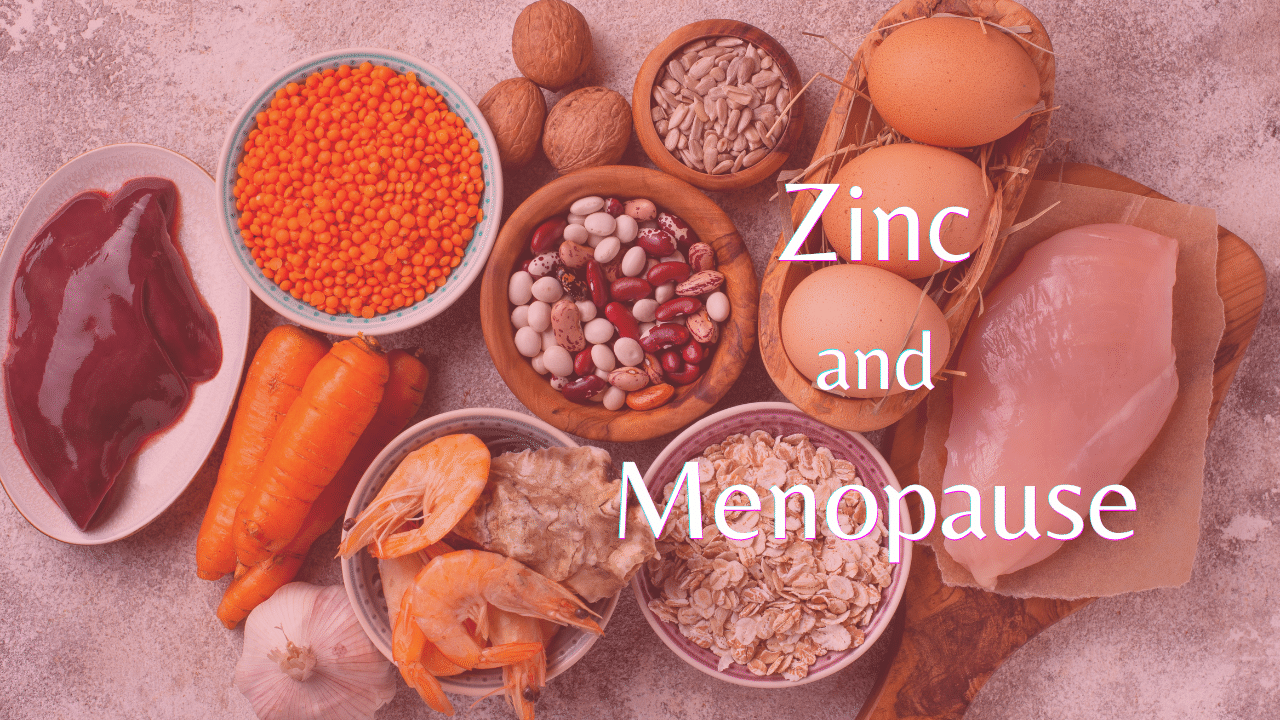
Foods Rich In Zinc
Some good dietary sources of zinc include:
- Red meat
- Shellfish
- Eggs
- Dairy products
- Lentils
- Chickpeas
- Pumpkin seeds
- Nuts and seeds
For some people, supplementation may also be beneficial, but balance is important. Too much zinc can interfere with other minerals such as copper, so it’s always sensible to seek professional advice before starting supplements.
Final Thoughts
At Ortrera, we often talk about the importance of looking at health holistically.
Sometimes it’s not about one dramatic change. It’s about understanding the smaller foundational pieces that help support the body properly over time.
Zinc may not always be part of the menopause conversation, but it could be quietly influencing how you feel more than you realise.
Disclaimer:
This newsletter is intended for educational purposes only and does not constitute medical advice. Always seek advice from a qualified healthcare professional before making changes to your diet, supplements, medication, or treatment plan.