


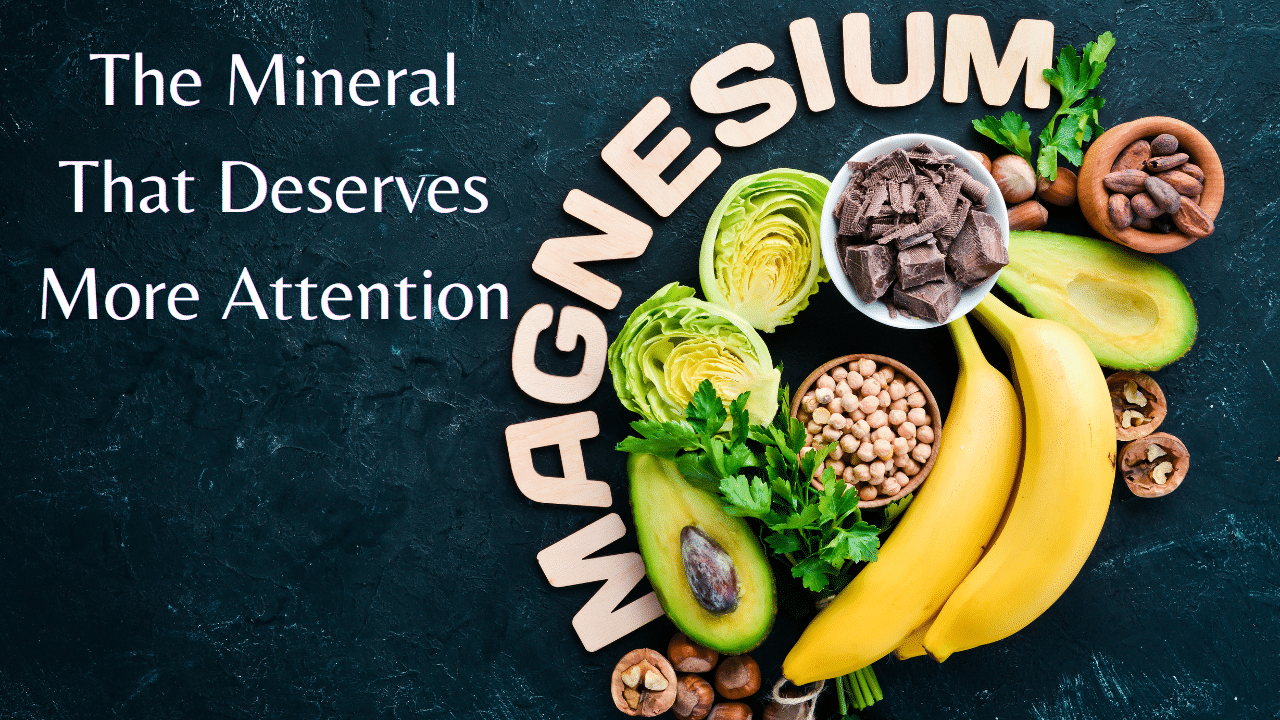
Magnesium: Why this essential nutrient could help support sleep, mood, energy and overall wellbeing during menopause.
When we talk about menopause, hormones understandably take centre stage.
But there is another important piece of the puzzle that often receives far less attention: nutrition.
One nutrient that repeatedly comes up in conversations about women’s health is magnesium. In fact, it’s involved in more than 300 biochemical processes throughout the body and plays a role in everything from sleep and mood to muscle function and bone health.
As oestrogen levels fluctuate and decline during perimenopause and menopause, many women experience symptoms that magnesium may help support.
Let’s take a closer look at why this mighty mineral deserves a place in the menopause conversation.

What Does Magnesium Do?
Many of the symptoms women experience during menopause overlap with areas where magnesium plays an important role.
Sleep Disturbances
Difficulty falling asleep, waking during the night and poor-quality sleep are common complaints during menopause.
Magnesium helps regulate neurotransmitters involved in relaxation and supports healthy melatonin production, which may help encourage better sleep patterns.
Mood Changes and Anxiety
Hormonal fluctuations can affect mood, stress levels and emotional well-being.
Magnesium contributes to nervous system function and may help support the body’s response to stress. Some women find that optimising their magnesium intake helps them feel calmer and more balanced.
Fatigue and Low Energy
Feeling exhausted despite getting enough rest is something many women recognise during perimenopause and menopause.
Magnesium is involved in energy production at a cellular level, helping the body convert food into usable energy.
Muscle Aches and Tension
Muscle cramps, headaches and general aches can become more noticeable during menopause.
Magnesium supports muscle relaxation and normal muscle function, which is why it is often associated with helping reduce tension and discomfort.
Bone Health
After menopause, women experience a more rapid decline in bone density due to lower oestrogen levels.
Magnesium works alongside calcium and vitamin D to support healthy bones, making it an important nutrient for long-term skeletal health.
How Can You Increase Your Magnesium Intake?
The good news is that magnesium can be found in many everyday foods.
Some magnesium-rich foods include:
- Dark leafy greens such as spinach and kale
- Nuts, particularly almonds and cashews
- Seeds, including pumpkin and sunflower seeds
- Wholegrains
- Beans and lentils
- Avocados
- Dark chocolate
For some women, dietary changes may be enough.
Others may choose to discuss supplementation with a qualified healthcare professional, particularly if they suspect their intake is low.
As with all supplements, what works for one person may not be right for another, so personalised advice is always recommended.
Final Thoughts
Magnesium is not a magic solution, and it won’t eliminate menopause symptoms overnight.
However, it is an essential nutrient that supports many of the systems affected during menopause, from sleep and mood to energy and bone health.
Sometimes, small nutritional changes can form part of a bigger strategy to help women feel more like themselves again.
At Ortrera, we believe that understanding the role of nutrition during menopause empowers women to make informed decisions about their health and well-being.
Disclaimer
The information contained in this newsletter is intended for educational purposes only and should not be considered medical advice. Nutritional supplements are not intended to diagnose, treat, cure or prevent any disease. Always consult your GP, pharmacist or qualified healthcare professional before starting any new supplement, particularly if you have an existing medical condition or are taking medication. Individual requirements may vary.