


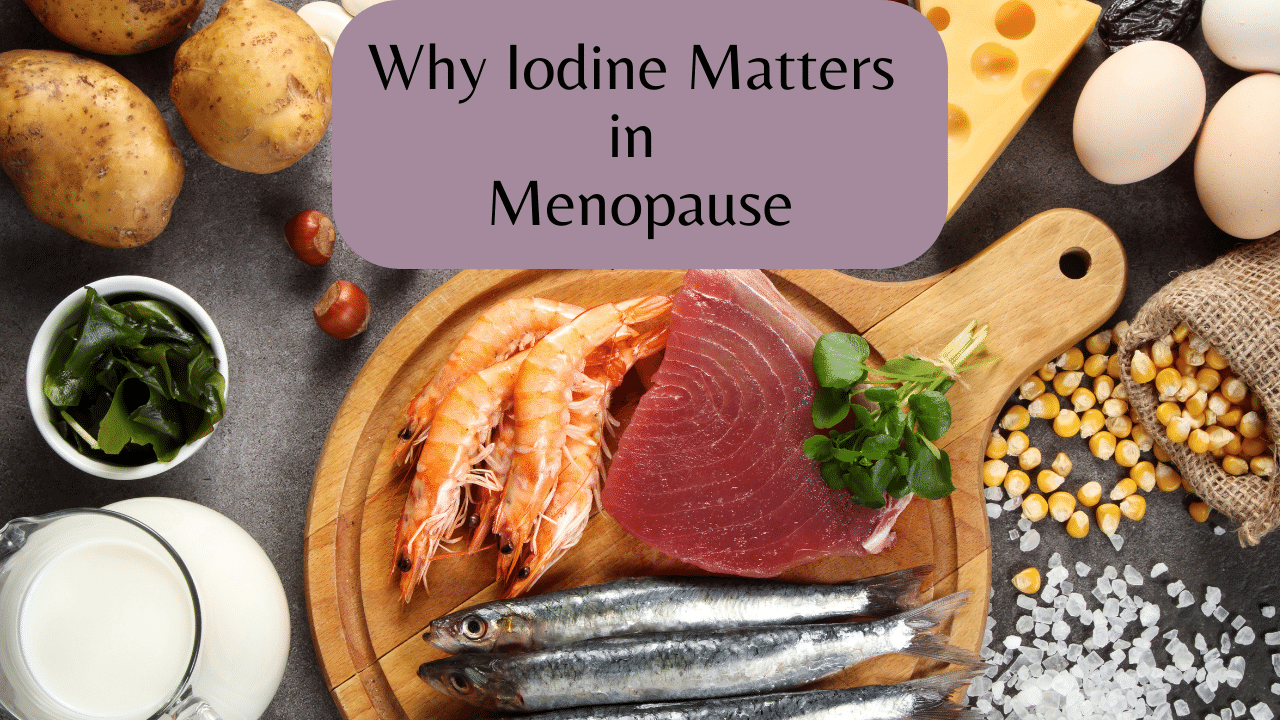
iodine – the small mineral with an important role to play
When we think about the nutrients that support us through menopause, iodine probably isn’t the first one that springs to mind.
But this small, often overlooked mineral has an important job. Iodine is essential for the production of thyroid hormones, which help regulate metabolism and support many of the body’s key functions.
And during perimenopause and menopause, when changes in energy, mood, weight and temperature can already leave us wondering what on earth our bodies are doing, understanding the role of the thyroid becomes particularly relevant.
So, this month, as part of our ongoing look at vitamins and minerals during menopause, we’re turning our attention to iodine.
What does iodine actually do?
The body needs iodine to produce thyroid hormones, including thyroxine (T4) and triiodothyronine (T3).
These hormones play an important part in regulating:
- Metabolism and how the body uses energy
- Body temperature
- Heart rate
- Normal growth and development
Our bodies cannot make iodine themselves, so we need to obtain it through our diet.
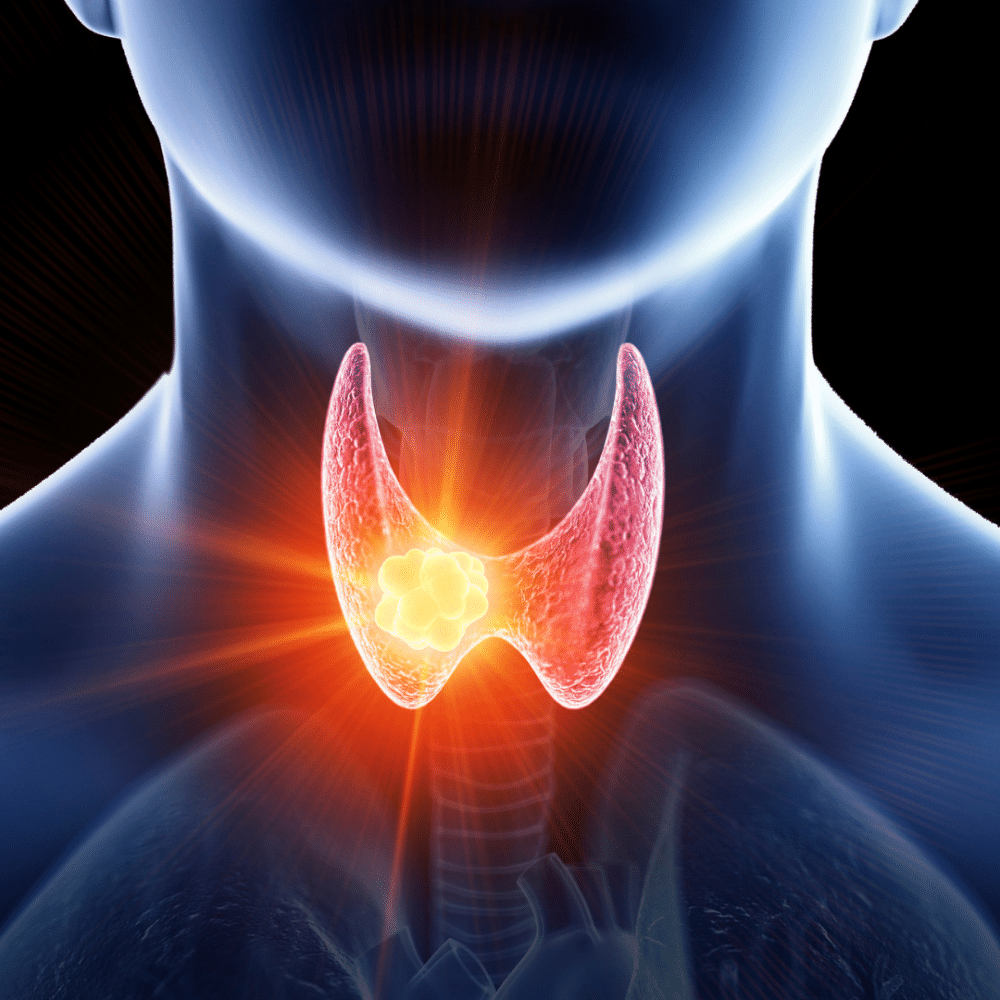
Why does this matter during menopause?
This is where things get interesting.
Menopause doesn’t necessarily mean that your body suddenly needs more iodine. However, thyroid conditions are more common in women and the risk of an underactive thyroid increases with age. To complicate matters further, some symptoms associated with thyroid problems can overlap with those experienced during perimenopause and menopause.
Changes in energy, mood, weight and temperature regulation, for example, aren’t always easy to attribute to one single cause.
This is why it’s important not to assume that every change we experience in midlife is simply “the menopause”. If something feels different, persistent or concerning, speaking to a healthcare professional can help you understand what might be going on.
Are you getting enough iodine?
For most people, iodine can be obtained through a varied, balanced diet.
Dietary sources include:
- Fish and seafood
- Milk and dairy products •
- Eggs
- Some fortified foods and drinks
If you follow a vegan diet, avoid dairy and fish, or have significantly reduced these foods, it may be worth paying closer attention to where your iodine is coming from.
Seaweed is also naturally rich in iodine, but the amount it contains can vary considerably, so more isn’t necessarily better.
Can you have too much iodine?
Yes, and this is an important part of the conversation.
When we’re trying to support our health, it can be tempting to assume that taking more of a beneficial nutrient will deliver better results. With iodine, that isn’t the case.
Too much iodine can interfere with thyroid function, and high-dose iodine or kelp supplements can be particularly problematic for people with an existing thyroid condition.
If you’re concerned about your iodine intake, considering a supplement, or have a diagnosed thyroid condition, it’s always sensible to speak to your GP or another qualified healthcare professional first.
Supporting your body through change
Menopause is a time when many of us start paying closer attention to what our bodies need. Nutrition is just one part of that picture, alongside movement, sleep, stress management and taking time to care for ourselves.
Iodine may only be needed in tiny amounts, but its role in supporting normal thyroid function makes it an important part of a balanced diet.
Perhaps the bigger takeaway, though, is the importance of looking at our health as a whole. Menopause brings change, but not every symptom or shift we experience should automatically be attributed to our hormones.
The more we understand our bodies, the better placed we are to ask questions, seek support when we need it and make informed choices about our wellbeing.
This article is for general information and well-being purposes only and is not intended to replace professional medical advice. If you have concerns about your thyroid, iodine intake or menopause symptoms, please speak to a qualified healthcare professional.
At Ortrera Aromatics, we’re passionate about helping women feel informed, supported and empowered throughout menopause and beyond.
We’d love to hear from you- whether you’d like to share your thoughts, ask a question or suggest a topic you’d like us to explore in a future newsletter, please feel free to get in touch.