


Boron and Menopause: The trace mineral with an interesting link to testosterone
When we talk about hormones during menopause, oestrogen usually gets most of the attention.
But testosterone matters too.
Women naturally produce testosterone throughout their lives, and although levels vary considerably between individuals, testosterone has important roles within the body. So, this month, we’re looking at a lesser-known trace mineral that has attracted interest because of its potential relationship with our sex hormones: boron.

What exactly is boron?
Boron is a naturally occurring trace element found in a variety of plant foods. Unlike nutrients such as iron or calcium, boron isn’t currently classed as an essential nutrient for humans and there is no established recommended daily intake.
However, research suggests it is biologically active and may influence several processes within the body, including bone and mineral metabolism, vitamin D and the metabolism of steroid hormones.
And this is where things get particularly interesting when we look at menopause.
What does boron have to do with testosterone?
Testosterone isn’t just a male hormone. Women produce it too, and it plays a part in areas including muscle and bone health and sexual function.
Research into boron and hormones is still relatively limited, but some small human studies have produced interesting findings.
One study involving postmenopausal women found that boron supplementation increased serum concentrations of both testosterone and oestradiol. Other research has suggested that boron may influence the amount of testosterone that is freely available for the body to use.
This doesn’t mean boron should be viewed as a “testosterone booster”. The evidence simply isn’t strong enough to make that claim, and studies have produced differing results.
What it does suggest is that boron may have a role within the much bigger and more complex picture of hormone metabolism.
Why could this be relevant during menopause?
Hormonal changes during perimenopause and menopause don’t happen in isolation. Oestrogen, progesterone and testosterone all form part of the picture, alongside factors such as nutrition, sleep, stress, movement and overall health.
Boron is particularly interesting because its potential influence extends beyond hormones. Research has also explored its relationship with bone health, mineral metabolism, vitamin D and inflammatory processes.
For women moving through menopause and beyond, when maintaining bone and muscle health becomes increasingly important, it gives us another reason to pay attention to this little-known nutrient.
Where do we get boron?
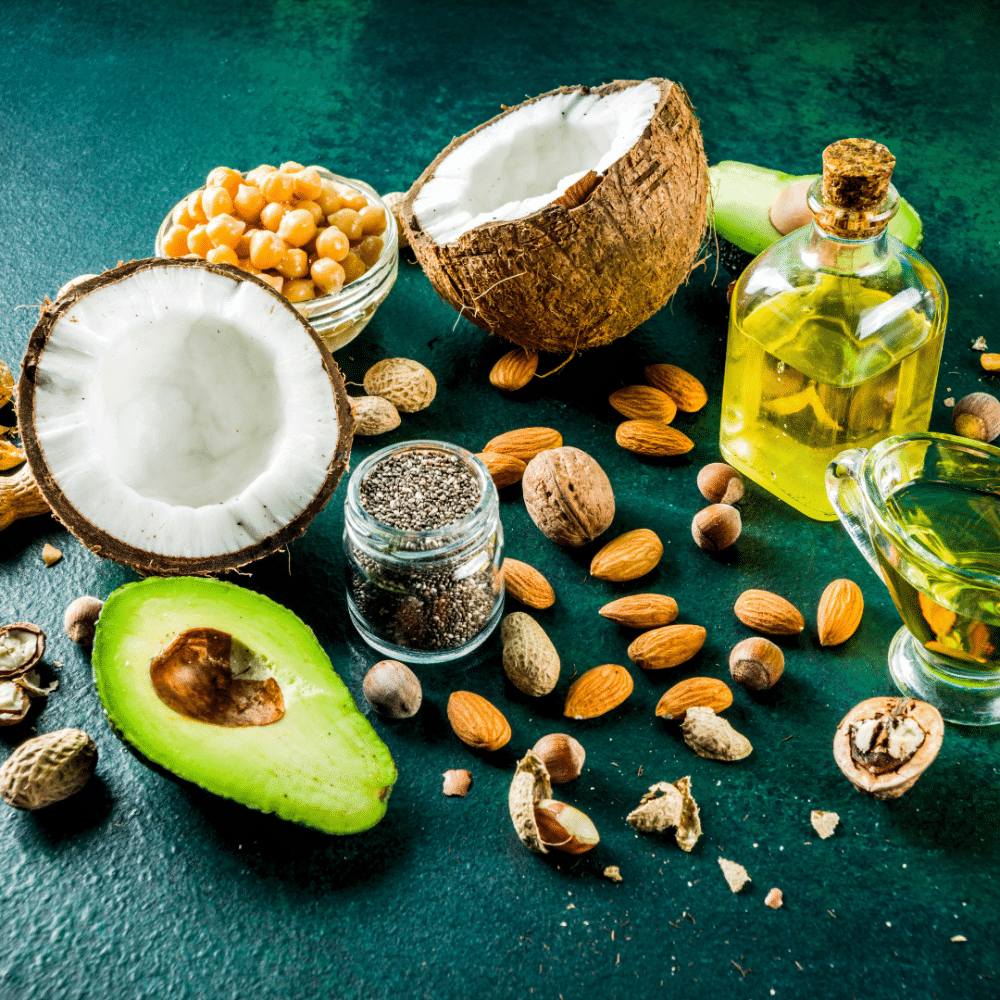
The good news is that boron occurs naturally in many everyday plant foods.
Fruit, particularly apples, pears, grapes, raisins, prunes and avocados, can provide boron, alongside nuts, legumes and some vegetables.
As with many of the nutrients we explore in these newsletters, variety matters. A varied diet containing plenty of plant foods can provide a range of micronutrients that work together rather than in isolation.
Does that mean we should supplement?
Not necessarily.
There is currently no established recommended daily intake for boron, and research into supplementation and hormonal health is still developing.
While some small studies have produced interesting results, they don’t give us enough evidence to say that taking more boron will automatically raise testosterone or improve menopause symptoms.
That distinction matters.
Nutrition during menopause isn’t about finding one nutrient that will “fix” a particular hormone. It’s about understanding the different nutrients the body needs and creating the conditions that support our health as a whole.
The bigger menopause picture
Boron probably isn’t a mineral that many of us have given much thought to before.
Yet emerging research into its relationship with sex hormones, bone health and mineral metabolism makes it an interesting area to watch, particularly as we learn more about the role of testosterone in women’s health.
For now, perhaps the most useful takeaway is a familiar one: a varied, nutrient-rich diet continues to give our bodies access to an enormous range of compounds that can support us through menopause and beyond.
Had you heard of boron before?
We’d love to hear from you in the comments. And if there’s a particular nutrient or menopause topic you’d like us to explore in a future newsletter, let us know.
Please note:
This newsletter is for general information and educational purposes only and is not intended to replace personalised medical advice. If you have concerns about your health, menopause symptoms, hormone levels, diet or supplements, please speak to your GP or another appropriately qualified healthcare professional.