



Calcium and Menopause: Are We Getting Enough?
When we think about menopause, hot flushes, disrupted sleep and mood changes often come to mind. But there’s something else happening in our bodies that we might not notice at all: changes to our bone health.
This month, we’re looking at calcium, why it becomes particularly important during menopause and how a few simple dietary choices can help support our health.
Why does calcium matter during menopause?
Calcium is best known for keeping our bones and teeth strong, but it also helps our muscles and nerves function properly and supports normal blood clotting.
Around 99% of the calcium in our bodies is stored in our bones and teeth.
During menopause, declining oestrogen levels can accelerate bone loss, increasing the risk of osteoporosis, a condition that makes bones weaker and more likely to fracture.
And because bone loss often happens without noticeable symptoms, looking after our bones before problems develop is particularly important.
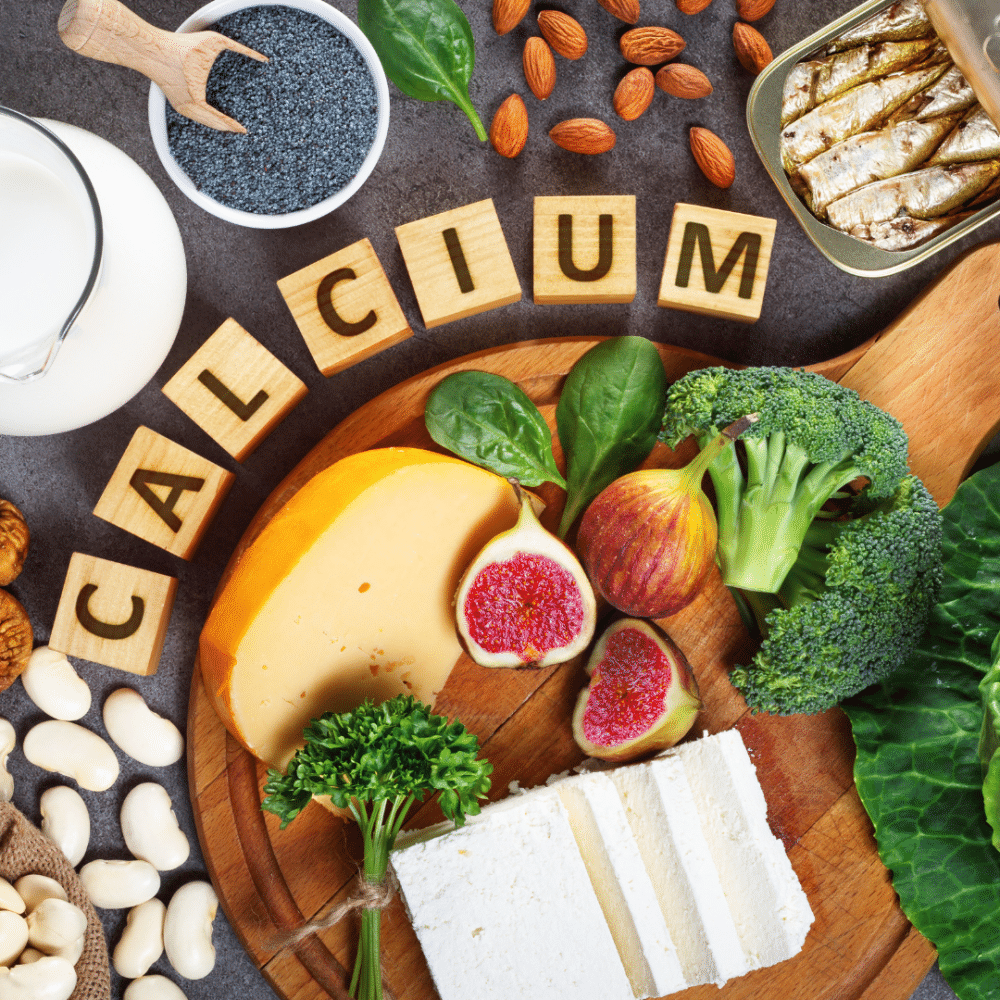
Where can we find calcium?
The good news is that calcium is available in plenty of everyday foods, including:
- Milk, yoghurt and cheese
- Leafy greens such as kale and broccoli
- Calcium-fortified plant milks
- Tofu made with calcium
- Sardines and tinned salmon with edible bones
- Almonds and sesame seeds
In the UK, the recommended daily calcium intake for most adults is 700mg, although some women may be advised to aim for more depending on their individual circumstances.
Small changes, such as adding yoghurt to breakfast, choosing fortified plant milk or including more calcium-rich vegetables in meals, can all help.

Calcium needs a little help!
Did you know that vitamin D helps our bodies absorb calcium?
With October bringing shorter days and less sunshine, it’s a particularly good time to think about vitamin D. NHS guidance recommends that adults consider taking 10 micrograms of vitamin D daily during autumn and winter.
Movement matters too. Weight-bearing exercise, such as walking and dancing, alongside strength training, helps maintain bone strength and muscle health.
It’s another reminder that supporting our bodies through menopause isn’t about one nutrient working in isolation.
Should we take calcium supplements?
Not necessarily.
Many women can get enough calcium through a balanced diet. Supplements may be useful if dietary intake is insufficient, but more isn’t always better, and excessive amounts can have unwanted effects.
It’s worth speaking to a healthcare professional before taking supplements, particularly if you have concerns about osteoporosis or bone health.
Looking after our bones for the future
Menopause brings many changes, some obvious and others happening beneath the surface.
While we can’t prevent every change, understanding the role of calcium, vitamin D and regular movement gives us practical ways to support our bone health as we age.
And sometimes, it’s the small, consistent changes that make the biggest difference.
Have you ever thought about whether you’re getting enough calcium?
We’d love to hear your thoughts in the comments. And if there’s a nutrient or menopause-related topic you’d like us to explore in a future newsletter, please let us know.
Disclaimer: This newsletter is for general information and educational purposes only and is not intended to replace personalised medical advice. If you have concerns about menopause symptoms, bone health, diet or supplements, please speak to your GP or another appropriately qualified healthcare professional.