


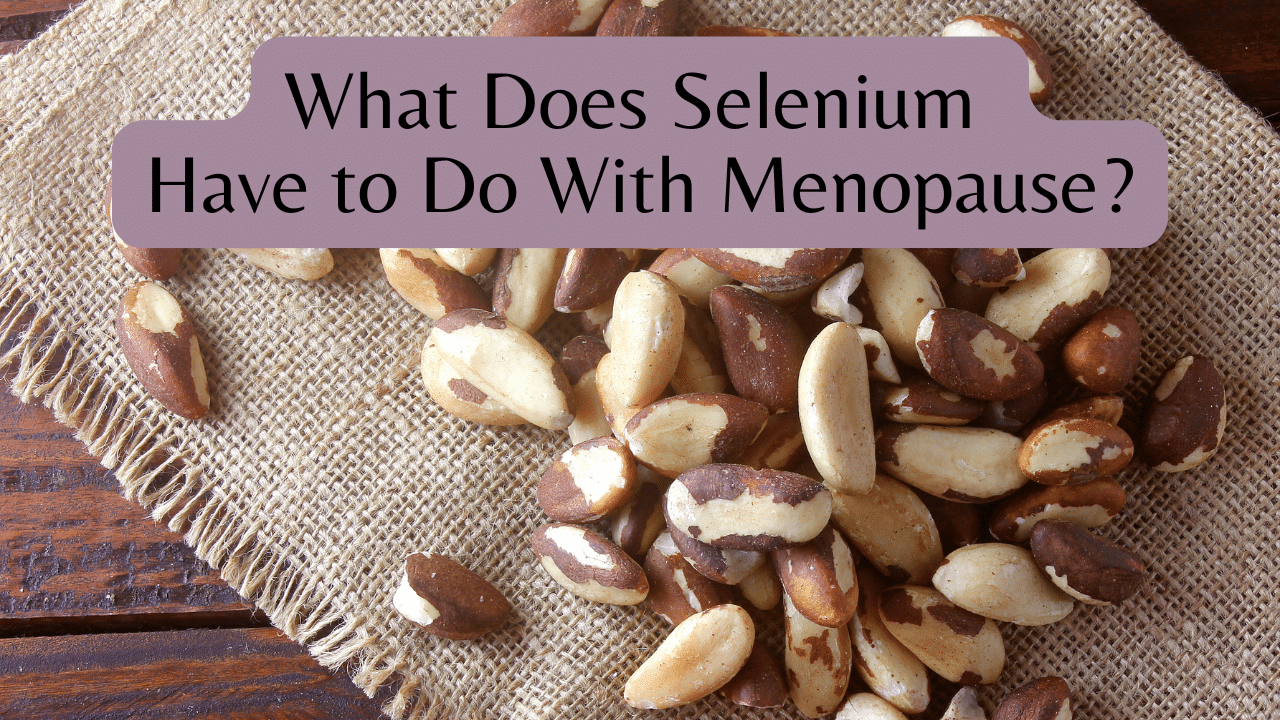
Selenium and Menopause: A Small Mineral With an Important Role
When we talk about nutrition during menopause, certain nutrients tend to get most of the attention.
Calcium for our bones. Vitamin D for bone and immune health. Magnesium for muscles and normal nervous system function.
But there are other micronutrients working away in the background that are just as interesting to understand. One of them is selenium.
We only need selenium in very small amounts, but it plays a role in several important processes within the body, including thyroid function, protecting cells from oxidative stress and supporting the immune system.
So, what does that have to do with menopause?
Selenium and your thyroid
One of selenium’s most important roles is supporting normal thyroid function.
The thyroid helps regulate metabolism and energy use, and some of the changes associated with thyroid problems can overlap with experiences commonly reported during perimenopause and menopause, such as changes in energy, mood, sleep and weight.
That doesn’t mean selenium is a treatment for those symptoms, or that menopause automatically means there is a problem with your thyroid. However, it does highlight why good overall nutrition and adequate micronutrient intake remain important during this stage of life.
Protecting our cells from oxidative stress
Selenium also contributes to the protection of cells from oxidative stress.
Oxidative stress happens when there is an imbalance between free radicals and the body’s ability to counteract them. Our bodies have their own antioxidant defence systems, and selenium is involved in enzymes that form part of those defences.
As our bodies change through midlife, supporting them with a varied, nutrient-rich diet can be one useful part of looking after our long-term health.
Where can we find selenium?
The good news is that selenium is naturally present in a range of foods.
Sources include:
- Brazil nuts
- Fish and shellfish
- Eggs
- Meat and poultry
- Some cereals and grains
Brazil nuts are particularly well known for their selenium content, but more isn’t necessarily better. Their selenium levels can vary considerably and, because the body only requires a small amount of selenium, regularly eating large quantities isn’t advisable.

Can you have too much selenium?
Yes, and this is an important point.
Unlike some nutrients where people may automatically assume that taking more will provide greater benefits, excessive selenium can be harmful.
For most people, the focus should be on getting selenium through a balanced diet rather than immediately reaching for a supplement. If you are considering supplements, particularly if you already take medication or other nutritional products, it is sensible to speak to a healthcare professional first.
The bigger menopause picture
There is rarely one nutrient, food or lifestyle change that holds the answer to menopause.
Instead, it is about understanding what your body needs and looking at the bigger picture, including nutrition, movement, sleep, stress and the support that is right for you.
Selenium may be a trace mineral, but the jobs it performs are far from insignificant. Understanding nutrients like this can help us make more informed choices about how we support ourselves through menopause and beyond.
Is selenium something you had thought about before?
We’d love to hear your thoughts in the comments, and if there’s a menopause-related topic you’d like us to explore in a future newsletter, let us know.
Please note:
This newsletter is for general information and educational purposes only and is not intended to replace personalised medical advice. If you have concerns about your health, menopause symptoms, thyroid function, diet or supplements, please speak to your GP or another appropriately qualified healthcare professional.