


Menopause Hair Loss & Thinning : Natural Ways to Nourish What You Have
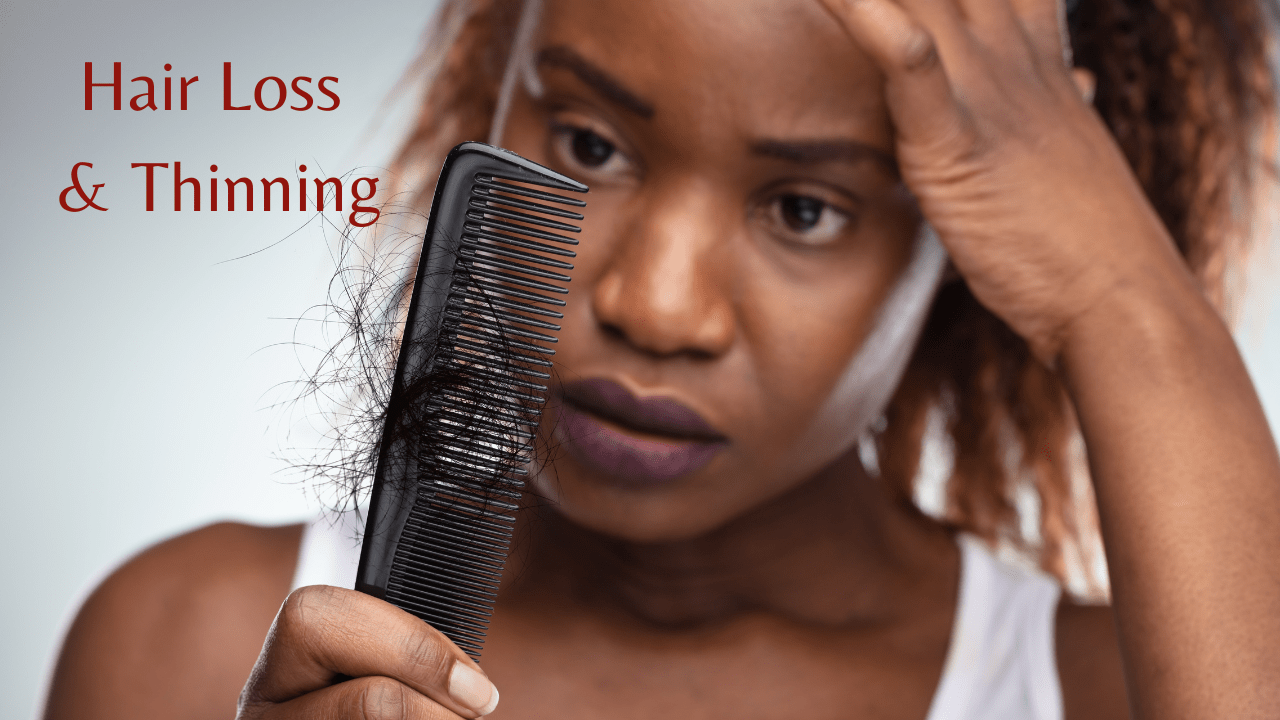
I want to acknowledge something many women don’t talk about enough: noticing your hair is thinning.
Maybe your parting is wider, more strands in the brush, a little less bounce.
It can feel worrying, a reminder that your body is changing. But it doesn’t have to feel like loss.
With awareness, kindness, and care, you can support your hair, celebrate your roots, and reclaim your confidence.
What’s Going On
As we move through perimenopause into menopause, our hormonal profile shifts. Oestrogen and progesterone decline, while androgens sometimes become more influential.
These changes affect hair follicles and hair growth cycles: fewer hairs are active, and shafts may become finer, which is why you might notice more shedding or a widening parting.
Here’s what those key hormones usually do in the body:
Oestrogen – helps keep hair in its growth phase for longer, and supports thickness and shine.
Progesterone – balances the effects of androgens and can help keep hair strong.
Androgens (like testosterone) – in small amounts, they’re normal and useful, but too much influence can make hair thinner, especially around the parting
Alongside hormones, other factors often play a role:
Nutrition: enough protein, vital minerals (iron, zinc, maybe vitamins)
Stress and sleep: they influence your whole system, including hair growth
Scalp health: adequate blood flow, avoiding irritation, good skin care around the hairline
Lifestyle & external stressors: vigorous heat or styling, harsh products, tight hairstyles
Gentle Ways to Support Hair Naturally
Here are non-chemical, holistic ways that align with our approach (essential oils, wellness, natural care) to help hair feel thicker, healthier, to reduce shedding and encourage strength.
Scalp massage and stimulation
Try a gentle massage with fingertips or a soft brush to improve circulation.
Use natural oils such as rosemary or lavender diluted in a carrier oil for extra nourishment.
Why? Better blood flow supports follicles, and calming oils can soothe the scalp.
Nutrition and roots support
Make sure you’re eating enough protein and iron-rich foods.
Add leafy greens, nuts, seeds, and keep hydrated.
Why? These provide the building blocks your follicles need to grow stronger hair.
Reduce stress and rest deeply
Explore mindfulness, gentle yoga, or simple breathing exercises.
Prioritise good sleep and find ways to ease both physical and emotional stress.
Why? Lower stress levels help keep more hair in the growth phase.
Gentle hair care routines
Limit heat styling and use gentle brushes.
Avoid tight hairstyles that pull on the scalp.
Choose natural, mild shampoos and conditioners, and let your hair air-dry when you can.
Why? This reduces breakage and supports healthier hair.
Supportive self-care rituals
Use essential oil blends with care, or treat yourself to a natural hair mask with botanical butters and oils.
Create soothing rituals such as meditation, affirmations, or time in community.
Why? Looking after your whole self benefits your hair as well as your wellbeing.
Mindset & Self-Compassion
It can be frustrating when changes are slow, because hair grows slowly, or when progress isn’t obvious right away.
Be kind to yourself
Celebrate small wins: less breakage, softer texture, a healthier scalp.
Notice how you nourish your body in other ways, because they all connect.
Takeaway
Hair thinning in menopause doesn’t need to be about loss.
It can be about learning what your hair, scalp, and body need now, and responding with kindness, patience and natural care.
It’s a journey, and you don’t have to go through it alone. Together, we can shift the story from anxiety to nourishment, from hiding to celebrating the strength that comes with change.